

In Honor of Past Founders/Elders and Contributors in
the Evolution of The Waterbird Society
A Post-Mortem Recognition (updated October 9, 2026). We thank and recognize you for your dedication to waterbird science and community. Your contributions continue to light the path of conservation.
Ruth Beck (1945-2015)
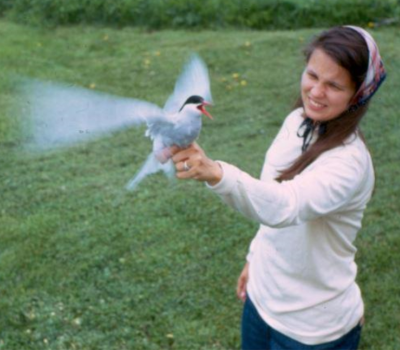
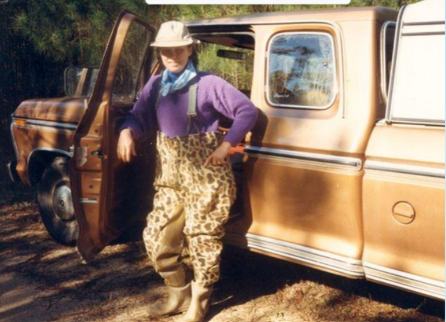
Ruth Beck (1945-2015) – Ruth, a lecturer in the Biology Department at the College of William & Mary, was a leader in Virginia waterbird circles, alongside her departmental colleagues Drs. Mitchell Byrd and Bryan Watts. She served on the council of the Society and initiated programs that actively engaged graduate students during annual meetings. She and her undergraduate students were a force in protecting breeding habitats of terns and piping plovers in Chesapeake Bay and seaside Virginia.
Mitchell A. Byrd (1928 – 2026) – Founder
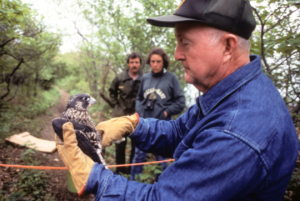
Mitchell A. Byrd (1928 – 2026) – Founder – Dr. Byrd was a leader in the early formation of the Society with a long history of waterbird conservation in coastal Virginia. He served as the first newsletter editor. For many years, he was the chairman of the Biology Dept. at the College of William & Mary where he advised a large number of Masters students focusing on waterbirds. With former student, Dr. Bryan Watts, Mitchell established the Conservation Center in Biology at William & Mary. Mitchell was best known for 50+ years of monitoring nesting bald eagles and osprey in Chesapeake Bay. He received more than 20 awards for his conservation achievements in the Commonwealth of Virginia and nationally.
Brian R. Chapman (1946-2021)
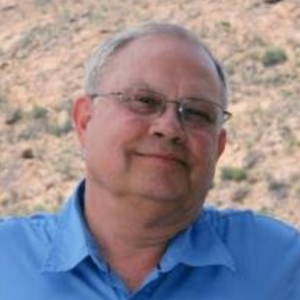
Brian R. Chapman (1946-2021) – Dr. Chapman, lifelong Texan, received his PhD in Zoology from Texas Tech U. in 1973 and became an authority on both birds and mammals in Texas, spending most of his academic career at Texas A&M University – Corpus Christi. He and students conducted research on a number of waterbirds, and he hosted the South Padre Island Waterbirds meeting, in spite of the hurricane damage occurring just prior to the meeting. He served as Secretary and newsletter editor of the Waterbird Society. The last of his posts was as a senior research associate at Sam Houston State from 2013 until 2018. With Eric Bolen, he wrote The Natural History of Texas.
Malcolm C. Coulter (1948-2013)
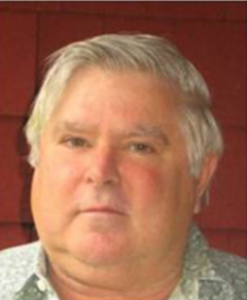
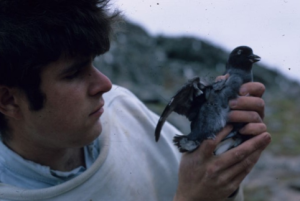
Malcolm C. Coulter (1948-2013) – Malcolm was a quiet, humble scientist who became an expert on a number of seabird and wading bird species, as well as plants during his life. After his PhD work on the Farallon Islands, CA, he moved to the Darwin Research Station where he established a long-term conservation program for the endemic dark- rumped petrel, as well as work on boobies and Galapagos penguins. Later, he moved to the Savannah River Ecology Lab in Georgia to direct research on wood storks. In 1989, he assumed the co-chair of the SSC Storks, Ibises, and Spoonbill Specialist Group where he worked across the globe. Malcolm served on the council of the Waterbird Society and was an elective member of the American Ornithological Society (formerly AOU), and received a number of awards, including several from the Pacific Seabird Group (Lifetime Achievement Award) and the Waterbird Society.
Thomas W. Custer (1945-2018 ) – Founder
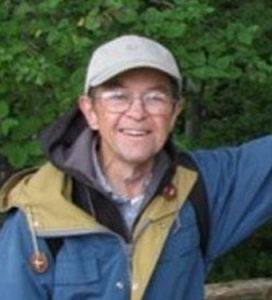
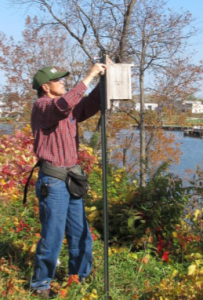
Thomas W. Custer (1945-2018) – Founder – Tom was one of the key figures in meetings leading up to the 1976 Charleston meeting when the Colonial Waterbird Group formed. He had hosted an Atlantic Coast meeting in 1975 which expanded the planning process for the 1976 meeting. He led one of a number of large coastwide federally supported surveys of nesting waterbirds during the mid 1970s. Most of his long federal career was devoted to studies of various contaminants in birds, with a focus on waterbirds. He and colleagues at two national USGS research centers published extensively on the effects of organochlorine pesticides (and other chemicals) on waterbirds and later, songbirds. His wife, Christine, worked alongside Tom and she continues their joint projects for years after his death. Tom was a Fellow of the AOS.
William (Ted) E. Davis, Jr. (1936-2024)
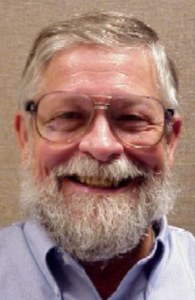
William (Ted) E. Davis, Jr. (1936-2024) – Ted, an avid member of the Society from the 1970s for many decades, served as a council member and a newsletter editor for the Society for years. A Renaissance man, he was an artist, scientist, teacher and historian. A major contribution was his four-volume History of North American Ornithology. He was an avid reviewer of books and scientific papers for several ornithological societies. His professional career was spent at Boston University, but he traveled extensively and lived for brief periods in Australia.
Heinz Hafner (19?? – 2003)
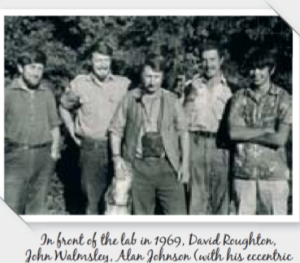
“In front of the lab in 1969, David Roughton,
John Walmsley, Alan Johnson (with his eccentric-“
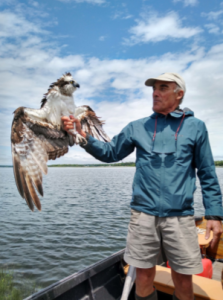
Heinz Hafner (19?? – 2003) – Heinz was a research biologist whose career focused on waterbirds at the Station Biologique de la Tour du Valat in southern France. He participated in several meetings of the Society, was a council member, and hosted the annual meeting of the Colonial Waterbird Society in Arles, France in 1993. One of the results of that meeting was a special publication (No. 1, 1996) of Colonial Waterbirds which Heinz co-authored on Mediterranean waterbird ecology, management and conservation. With James Kushlan, he co-authored a major book Heron Conservation.
Jeremy Hatch (1937-2015)
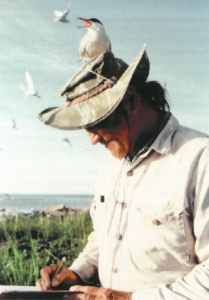
Jeremy Hatch (1937-2015) – Jeremy, a Brit by birth, was a longtime professor in the Biology Department at UMass- Boston, where he became a major researcher on both gulls and double-crested cormorants. He made an important discovery of a strong sex bias in the threatened roseate tern. He was actively involved in population monitoring of waterbirds in Boston Harbor and was a frequent consultant on management issues related to birds on the Harbor islands and elsewhere. Jeremy served on the council of the Society in the 1990s. He mentored a number of both MS and PhD students.
Helen Hays (1931 – 2025)
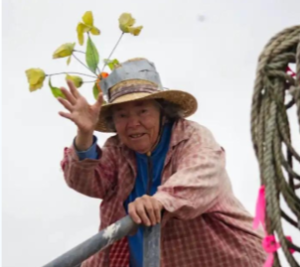
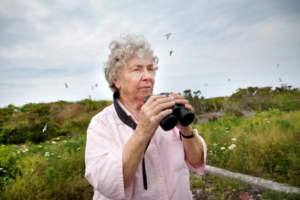
Helen Hays (1931 – 2025) – Helen was a Cornell and Oxford-educated ornithologist who became the Director of the Great Gull Island Project of the American Museum of Natural History which she operated as her field station (and basically summer home) for more than 50 years. She dedicated her life to studies of roseate and common terns at what would become the largest breeding colony of the federally threatened roseate tern in the western Atlantic region. Beginning almost full time residency on the remote island at the eastern end of Long Island, New York in 1969, she trained hundreds of volunteers, mostly students, to assist in monitoring nests and banding both young and adult terns. Her studies extended to South America to determine the winter distribution of roseate terns where she recruited several Brazilian biologists as part of an international research network. Her legacy on Great Gull Island represents one of the most remarkable among long-term seabird studies.
Keith Hobson (1954-2024)
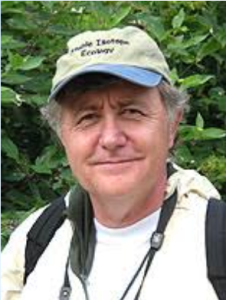
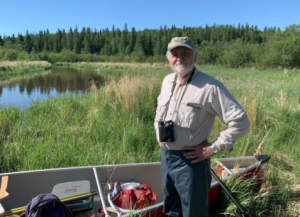
Keith Hobson (1954-2024) – Keith was a long-term member of the Waterbird Society and served as Editor of Waterbirds from 2005–2008. Most of his career was spent as a Research Scientist with the Canadian Wildlife Service and Environment and Climate Change Canada; he was also an adjunct professor at the University of Saskatchewan, Western University and Dalhousie University. Over his career, Keith established himself as an internationally-renowned scientist in the application of isotopic tools for ecological studies, with pioneering contributions to our understanding of trophic ecology and migratory connectivity in birds. Near the end of his career, Keith focused on working with and mentoring Latin American scientists to address the conservation of Neotropical migrant and endemic birds. Although he worked on many species, Keith maintained his interest in cormorants throughout his career. Keith is remembered for his enormous productivity, creativity, extraordinary network of collaborators, and his tireless efforts in mentoring a new generation of scientists.
Alan R. Johnson (1941-2014)
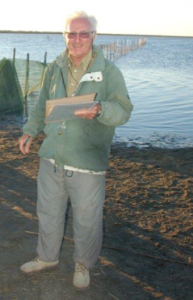
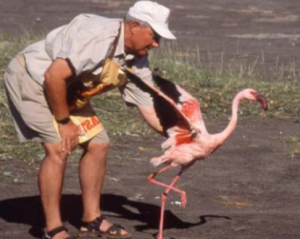
Alan R. Johnson (1941-2014) – Alan was born in the UK but his professional life was spent as a biologist with the Station Biologique de la Tour du Valat, Arles, France. From the 1960s to his death, his career was largely devoted to the conservation and management of the Greater Flamingo on the coast of the Camargue Regional Park on the Mediterranean. He was largely responsible for the recovery of the species using artificial nest mounds, adding protection to the salt ponds they depended upon, conducting inventories and annual banding operations. He also consulted with biologists from South America, Africa, and Asia on flamingo conservation concerns. The Wetlands International organization made him an Associate Expert and he served as Chair of the Flamingo Specialist Group from 1978 to 2004. Culminating his flamingo work, he co-authored a very popular book with F. Cezilly in 2007, The Greater Flamingo.
Herbert W. Kale II (1931-1995) – Founder
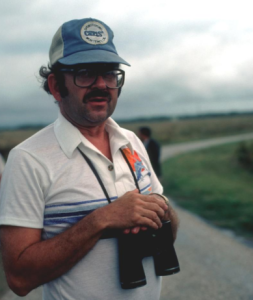
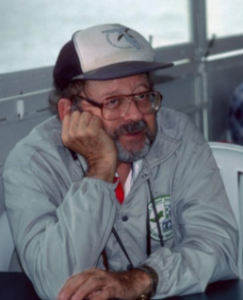
Herbert W. Kale II (1931-1995) – Founder -In spite of the limitations imposed by his vocal cords most of his life, Herb was a strong voice in the Florida Audubon Society for birds of all types, but especially waterbirds. He was one of the founders of the then Colonial Waterbird and served as the first editor of Colonial Waterbirds. Herb served on its council and was a consultant to many organizations on bird management issues and insect vectors of bird, not only in Florida but nationwide. He authored or co-authored several important books including Florida Birds and The Endangered Birds of Florida. He was the recipient of numerous wildlife awards for his work.
Linda Kinkel (1952-2006) – Founder
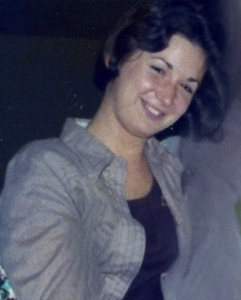
Linda Kinkel (1952-2006) – Founder – Linda was a native of Illinois and received all three of her college degrees at Northern Illinois University, where, for her PhD, she investigated the behavior and ecology of gulls, from which she published a number of papers. She assisted in hosting the first official meeting of the Society at NIU in DeKalb, Il in 1977 and later served as treasurer for a short period. She taught at several colleges but was struck by progressive multiple sclerosis which ended a promising career far too early. In 1978, she was awarded Woman of the Year by the National Young Women’s Association. In addition to her science contributions, she also published a book of poetry.
Martin K. McNicholl (1946-2017)
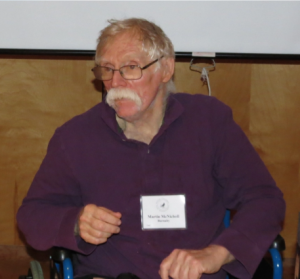
Martin K. McNicholl (1946-2017) – A native of Winnipeg, Manitoba, Martin developed into one of the most knowledgeable natural historians in Canada during his lifetime. He earned a Masters degree working on breeding ecology of Forster’s terns at the U. of Manitoba, then earned a PhD working on dusky grouse at the U. of Alberta. He published more than 350 papers or notes, plus more than 150 book reviews over the years. He was a freelance biologist who was contracted by both governmental and consulting firms, but his strongest contributions were as a bibliophile: he edited or co-authored three provincial ornithological bibliographies. He was awarded Elective Member of the AOU (now AOS) and was a member of five regional natural history organizations across Canada.
John C. Ogden (1938–2012) – Founder
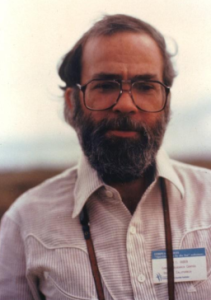
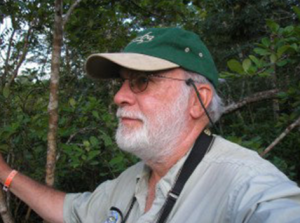
John C. Ogden (1938–2012) – Founder – John was elected the first president of the Colonial Waterbird Group, the forerunner of today’s Waterbird Society. He began at Everglades National Park, conducting field studies on the American Crocodile and Wood Stork. Later he became Director for the National Audubon Society’s Ornithological Research Unit, and pioneered studies that linked Wood Stork nesting success directly to the timing and depth of water flow. In 1994, he co-edited, Everglades: The Ecosystem and Its Restoration. After leaving National Audubon, John served As Chief Environmental Scientist for the South Florida Water Management District. John was a Fellow of the AOS (formerly AOU) and recipient of the Palladium Medal.
Brian Palestis (1973-2020)
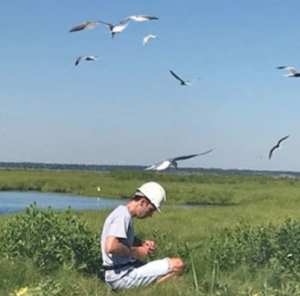
Brian Palestis (1973-2020) – Brian was an active member of the Waterbird Society for more than two decades, and regularly attended our annual meetings. He served on Council, and was a long-time co-chair of the Publications and Membership committees. Beginning with his PhD in the Burger lab at Rutgers University, he continued his career-long research focused on the behavioral ecology of Common Terns, working at colonies along the New Jersey shore. Brian became a professor, and served as department head, at Wagner College, Department of Biological Sciences. He was passionate about teaching and training young ecologists. Brian was involved in competitive fencing at a high level through high school and university, and later coached and refereed sport events – a surprising contrast, perhaps, for someone who was always thoughtful, caring and well-spoken.
Richard Paul (1946-2005) – Founder
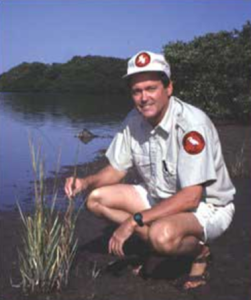
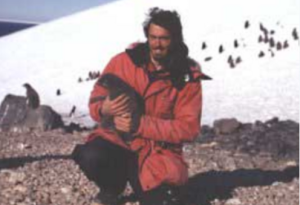
Richard Paul (1946-2005) – Founder – Rich served the National Audubon Society with pride for 31 years before his retirement due to illness. A close colleague described him as one who exemplified Audubon’s legacy for preserving and protecting waterbirds and their habitats. Much of his work involved conserving nesting sites in Tampa Bay, Florida in the face of extreme human traffic and disturbance. He was also known at a reddish egret expert who helped develop management plans in both Florida and Texas. Rich was honored by the Florida Wildlife Federation and received the Chuck Yeager Award from the National Fish & Wildlife Foundation. He helped organize the 1976 Charleston meeting, and served on the council of the Waterbird Society in its early years.
Xavier Ruiz (19??-2008)
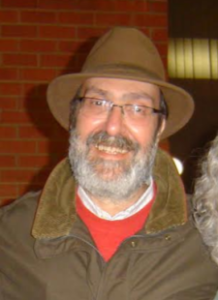
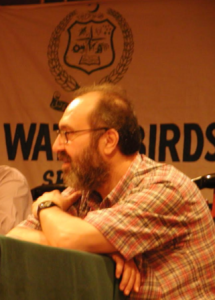
Xavier Ruiz (19??-2008) – Xavier was a Professor of Zoology at the University of Barcelona, a respected teacher and mentor of students, who became active in the Waterbird Society after the 1993 annual meeting in Arles, France. His studies of birds were some of the first in Spain to expand the boundaries of ornithology into fields of ecophysiology, and ecotoxicology. He hosted the international meeting of the Waterbird Society in Barcelona in 2007, and sadly died shortly after that in 2008.
John P. Ryder – (1940-2014)
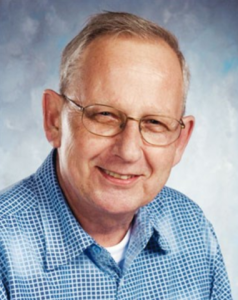
John P. Ryder – (1940-2014). John was a Professor of Biology at Lakehead University, Thunder Bay Ontario for 30 years, retiring in 2000. He is best known for his studies of Ross’s geese in northern Canada and ring-billed gulls on Lake Superior. He was a council member and chaired the local committee of the Society’s 1987 meeting in Thunder Bay, one of the first WbS meetings to be held in Canada. He was also a talented musician who played two instruments while a member of bands in Thunder Bay.
Jorge Enrique Saliva-Gonzalez – (1963-2012)
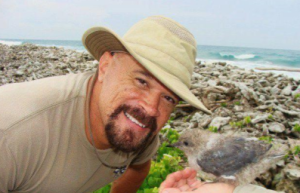
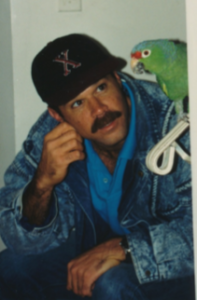
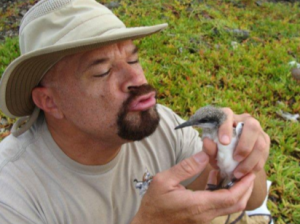
Jorge Enrique Saliva-Gonzalez – (1963-2012). Jorge, a native Puerto Rican, became an expert on seabirds after his academic training, including a PhD from Rutgers. He spent two decades with the US Fish & Wildlife Service and his conservation work ranged from rare birds to frogs to manatees and plants. He was especially known for long-term studies of roseate terns in the Caribbean and nesting brown pelicans. His commitment to conservation, his sense of humor and his Alegria por la vida were a gift all who knew him.
William E. Southern – (1933-2024) – Founder
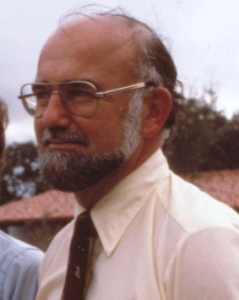
William E. Southern – (1933-2024) – Founder – Bill was a Professor of Biology at Northern Illinois University who established a center for avian research there. He is best known for his navigation – orientation work with ring-billed gulls. He was one of the founders, hosting the first full meeting of the Colonial Waterbird Group in Dekalb, IL in 1977, edited the first proceedings from the meeting, and was the fifth President of the Waterbird Society. He trained a number of graduate students, mostly focusing on gulls. After he retired from decades of teaching at NIU, he moved to St. John, US Virgin Islands where he continued work on bird conservation. He served as the President of The Wilson Ornithologist Society and was a Fellow of the American Ornithological Society.
Alexander “Sandy” Sprunt (1928 – 2007) – Founder
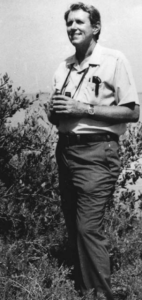
Alexander “Sandy” Sprunt (1928 – 2007) – Founder – One of the key sponsor figures at the Charleston conference, Sandy followed his distinguished father into the staff of the National Audubon Society in the early 1950s, eventually serving as its Director of Research for 30 years. Based in Tavernier, Florida, he helped National Audubon become a force for research- based policy. Sandy was an architect of both the North American Wading Bird Conference and the Colonial Waterbird Group (now known as the Waterbird Society). Perhaps Sandy’s most lasting technical contribution was co-editing the proceedings of the conference. Published in 1978 as Wading Birds (National Audubon Society Research Report No. 7), it became, for a time, the definitive reference for the field.
Emil K. Urban (1934 – 2014)
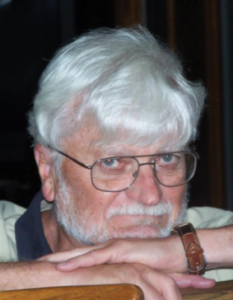
Emil K. Urban (1934 – 2014) – A Wisconsin native, Emil enjoyed an unusual academic career, moving to Ethiopia as a professor (later chairman) in Biology at Addis Ababa University from 1964-1975. He became one of the leading ornithologists in Africa, culminating after 20 years with his magnum opus, The Birds of Africa. Political strife forced him to return to the U.S. where he became a professor and later chair (for 29 years!) at Augusta State University. He coordinated a number of bird studies with his students, but had developed a special interest in crowned cranes. This earned him an advisory position with the International Crane Foundation. His was the only strong connection the Waterbird Society had with Africa in the early years. He served on council twice, one decade apart! He received many honors for his conservation work both across Africa as well as in Georgia.
NOTE: Eight “Founders” of the Waterbird Society are recognized based on their attendance at the 1976 Charleston SC wading bird conference and/or participation at the first official meeting of the Colonial Waterbird Group in Dekalb, Illinois in 1977.The others listed were either officers, editors, council members, annual meeting hosts, and/or key members of long-standing committees in the Society.